
If you spend enough time online, health advice starts to sound like a parody of itself.
- Wake up at 5
- Track everything
- Fix your gut
- Balance your hormones
- Stop stressing
- Sleep more
- Move more
- Eat better
- Take these supplements
- Don’t eat those foods
- Regulate your nervous system
- Touch grass
- Drink raw yak milk under a full moon
I made the last one up. Probably.
But the larger point stands: a lot of health advice sounds good on paper and falls apart the second it meets a real human life.
That gap has frustrated me for years. It’s also a big part of why working at Your Daily felt so important to me.

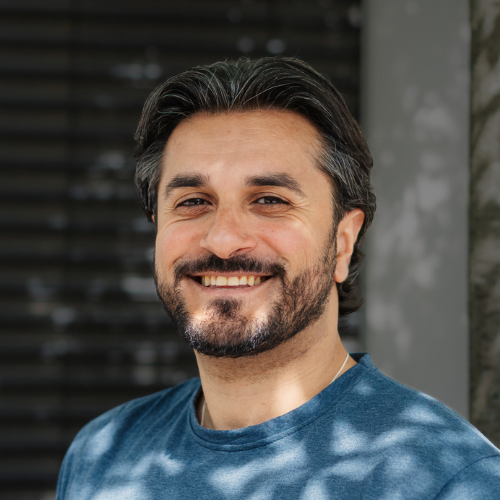
I’m Hussein, the Research Advisor and Head of Science at Your Daily.
I have a Master’s in Medical Engineering and a PhD in healthcare research. I’ve spent more than a decade in academia and just as long working on my own health issues.
But the reason I care about this work isn’t just academic.
It’s personal.
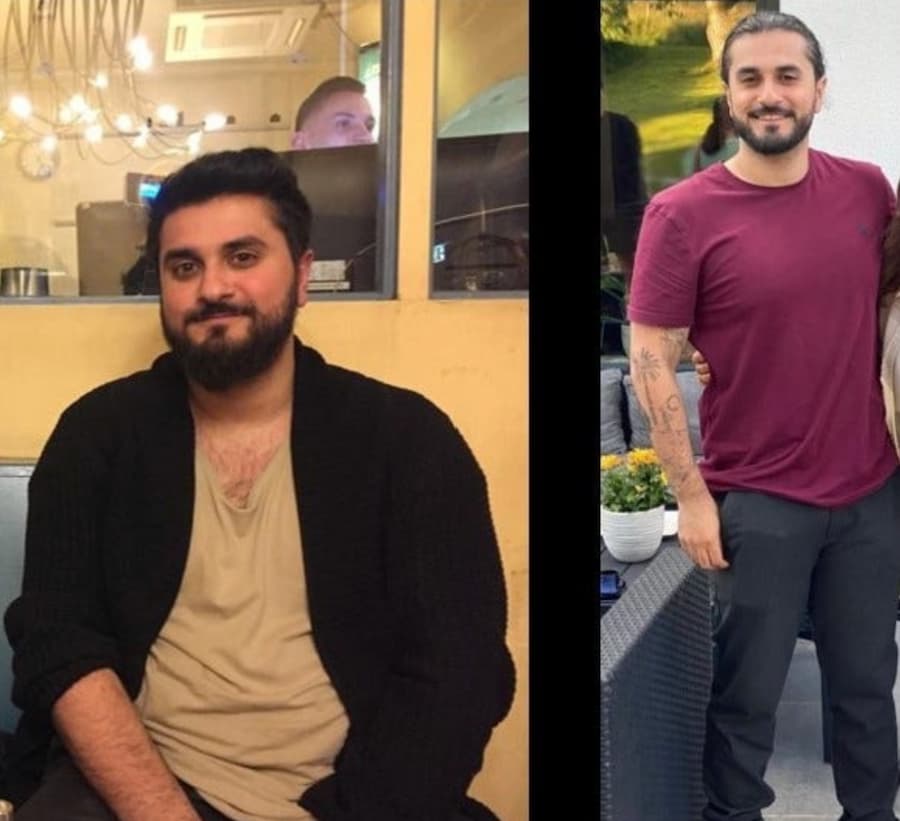
During my college years, I was dealing with depression, binge eating, obesity, and a life that felt like it was getting smaller and heavier at the same time.
I was trying to feel better, but I kept running into the same problem a lot of people run into: the advice sounded impressive in theory, but didn’t actually help me change my life. The information was technically correct. But it wasn’t useful.
Back then, I couldn’t afford therapy. So I did what I knew how to do: I started reading. A lot.
Papers, books, lectures, all of it. Partly because I’m a researcher, but mostly because I was desperate. I wanted to understand what actually helps when your mind is a mess, your habits are a mess, and your body is paying the price for both.
Over time, I started doing something that changed everything for me.
I translated the research into plain English and turned it into simple steps I could actually follow.
Not a perfect protocol. Not a fantasy routine. Not a 14-step morning ritual created by someone with no stress, no symptoms, no responsibilities, and the daily schedule of a cat.
Just things that were grounded enough to be real and simple enough to do.
And it worked.
Not instantly. Not neatly. Not in some cinematic transformation montage where the lighting gets warmer and everything is fixed by page 3.
But over time, it helped me get out of depression, heal my relationship with food, and get to a much better place physically and mentally.
That process taught me something I still think the health world gets wrong all the time:
There’s a huge difference between something being technically correct and something actually leading to behavior change.
That difference matters more than most people realize.
Because people don’t need more information. They need help applying the right information in the context of real life. They need support that still works when they’re tired, overwhelmed, stressed, discouraged, emotionally eating, dealing with gut symptoms, or trying to hold themselves together on a random Wednesday afternoon.

That’s where mainstream wellness often loses me.
Because even when the advice is correct, it’s often delivered in a way that creates more shame, more pressure, more confusion, and more self-surveillance.
People are told to optimize everything. Track everything. Eliminate everything. Fix their gut, hormones, sleep, stress, trauma, blood sugar, mindset, morning routine, and probably their “aura” while they’re at it.
That’s not support. That’s a second job. And usually a badly paid one.
What people need is better translation.
Better prioritization.
Better design.
Better support.
That’s what made Your Daily stand out to me.
From the beginning, it didn’t feel like another wellness brand trying to package generic advice in prettier language. It felt like a project built around a much more useful question:
What actually helps people feel better in real life?
Not what sounds smart in theory.
Not what gets clicks.
Not what makes people feel like a failure.
What actually helps.
That question matters a lot when you’re dealing with things like gut issues, anxiety, stress, nervous system dysregulation, or behavior patterns that make sense once you look closely, but are usually reduced to “you just need more discipline.”
Once you understand how bodies and brains actually work you realize that what’s more important than discipline is understanding that symptoms are real, stress is real, biology is real, and behavior change isn’t just about knowing better.
It’s about capacity. It’s about environment. It’s about safety. It’s about friction. It’s about whether a plan still holds up when someone is low on bandwidth and already discouraged.
That’s the kind of work I care about.
And honestly, that’s why this role feels like a dream job to me.
For years, I had to do this work for myself: filter out the shiny nonsense, separate signal from noise, and turn useful science into practical steps that had real-life value.
Now I get to help do that for other people.
I can’t think of anything more meaningful than helping people with struggles I once had to fight my way through myself.
That’s the energy I want to bring to Your Daily.
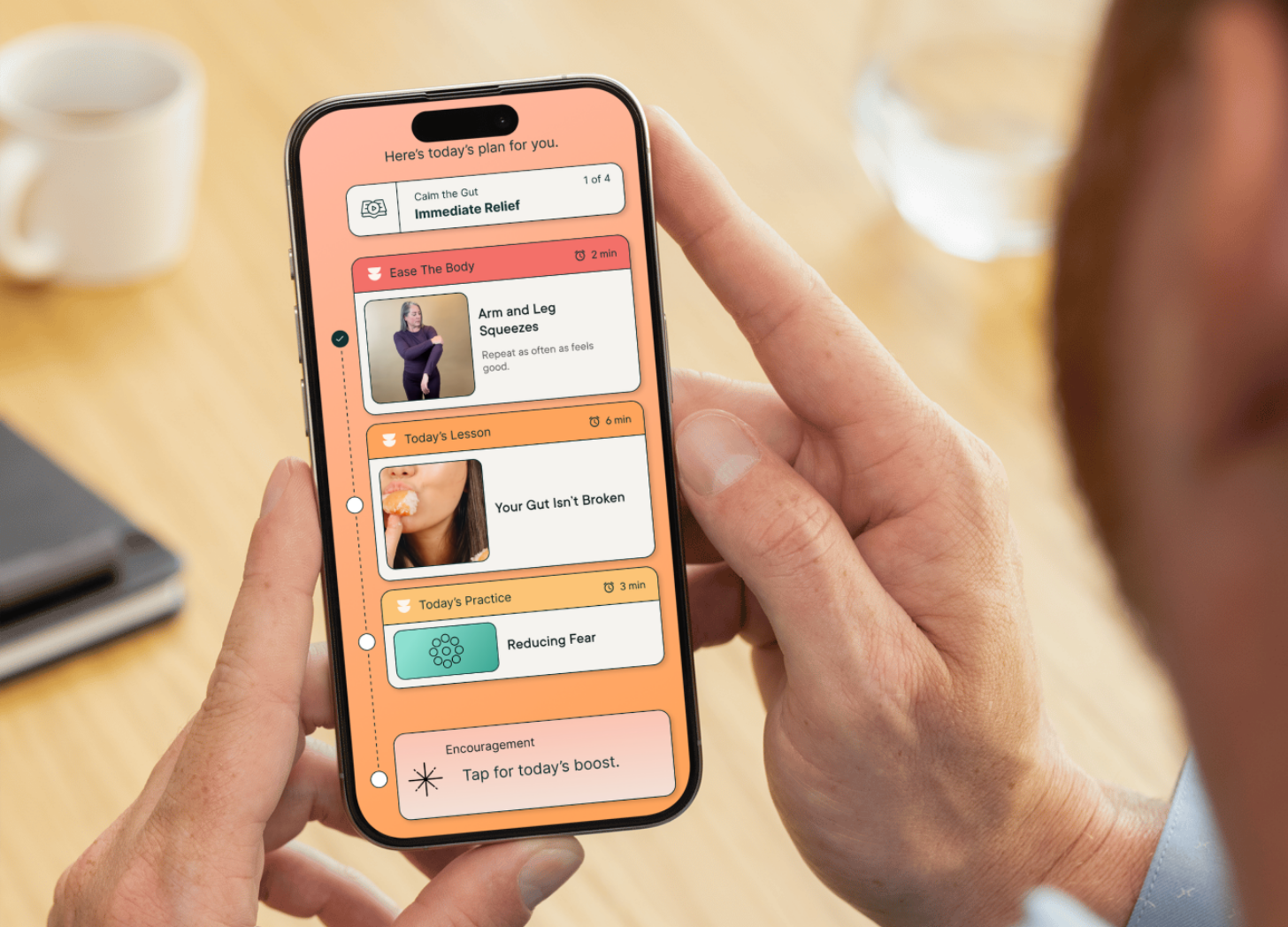
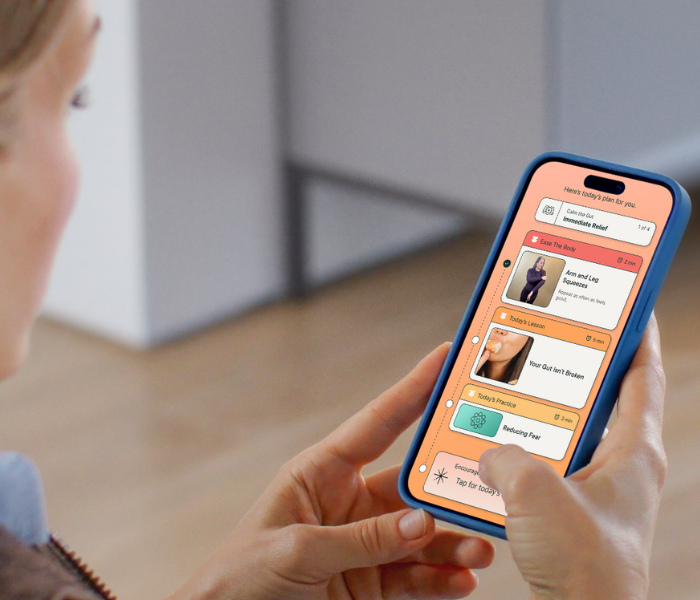
Going forward, I’ll be writing about gut health, anxiety, stress, habits, the nervous system, and the hidden patterns that keep people stuck even when they’re trying hard. We’ll talk about what mainstream wellness gets wrong, why symptoms are often not as random as they seem, how stress can shape digestion and behavior in ways people actually feel, and what tends to work in the real world instead of just sounding good on Instagram.
No fear-mongering. No fake certainty. No vague “just reduce stress” advice that sounds wise and becomes useless the second your nervous system is on fire.
You’ll get practical, science-backed guidance that respects both biology and real life.
Also, probably the occasional meme, some mild sarcasm, and the kind of dad jokes that should frankly be regulated more aggressively.
So if any of that sounds like your thing, you’re in the right place.
I’m glad you’re here. 🙌🏾